
Understanding the Basics of Gambling for Beginners
What is Gambling?
Gambling is the act of wagering money or something of value on an event with an uncertain outcome, primarily to win additional money or goods. This activity can take various forms, such as betting on sports, playing casino games, or participating in lotteries. The thrill of gambling often lies in the unpredictable nature of the outcome, which can make it both exciting and risky. For those looking for fun, visiting a top bitcoin casino might be an entertaining option.
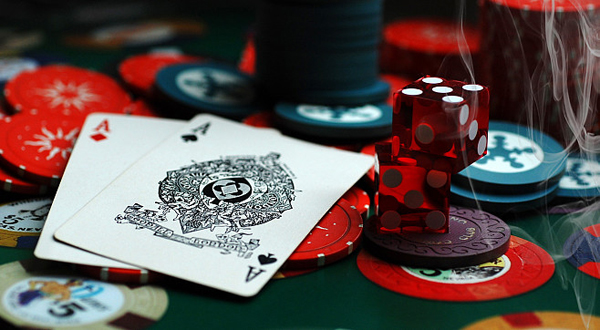
While some people engage in gambling for entertainment, others may see it as a way to earn money. It is essential for beginners to understand the inherent risks involved and to approach gambling responsibly. This awareness will not only help in making informed choices but also in enjoying the experience without succumbing to the potentially negative aspects of gambling.
Different Types of Gambling
Gambling can be broadly categorized into two types: games of chance and games of skill. Games of chance, such as slot machines and roulette, rely primarily on luck, making it difficult for players to influence the outcome. On the other hand, games of skill, like poker and blackjack, require a certain level of strategy and knowledge, allowing players to improve their odds through skillful play.
Each type of gambling has its own set of rules and strategies. Understanding these differences is crucial for beginners. While games of chance might offer immediate gratification, games of skill often provide a more engaging experience where practice can lead to better results. Choosing which type of gambling to pursue depends on personal preference and comfort level.
Common Myths About Gambling
There are many myths surrounding gambling that can mislead beginners. One common myth is the belief that certain strategies can guarantee wins in games of chance. In reality, outcomes in these games are random, and no strategy can change that. Additionally, some people think that winning streaks indicate a high likelihood of future wins, which is a misconception known as the gambler’s fallacy.
Understanding these myths is vital for anyone looking to engage in gambling. By debunking misconceptions, beginners can approach gambling with a clearer mindset, reducing the likelihood of making impulsive decisions based on false beliefs. This knowledge can also help in developing a more responsible gambling habit.
Responsible Gambling Practices
Responsible gambling is about making informed choices and maintaining control over one’s gambling activities. Setting a budget before gambling and sticking to it is a foundational practice that can help prevent financial loss. It’s also important to recognize the signs of problem gambling, such as chasing losses or gambling to escape other issues.
Another key aspect of responsible gambling is to treat it as a form of entertainment rather than a way to make money. By focusing on the enjoyment of the activity rather than the potential financial gain, beginners can create a healthier relationship with gambling. This approach not only enhances the experience but also minimizes the risk of developing unhealthy habits.

About Our Website
Our website aims to provide valuable resources for beginners looking to understand the basics of gambling. We offer insights, tips, and guidelines to help individuals navigate the complex world of gambling safely and responsibly. By breaking down the myths and providing accurate information, we hope to empower our readers to make informed choices.
As gambling can be both thrilling and risky, our goal is to foster a community where individuals can learn and share their experiences. We encourage responsible gambling practices and aim to support our visitors in enjoying their gambling experiences while minimizing risks. Join us in exploring the fascinating world of gambling, equipped with the knowledge you need to succeed.