
The psychology behind risk Understanding the gambler’s mind
The Allure of Risk: What Drives Gamblers?
At the heart of gambling lies an intricate relationship with risk. Many individuals are drawn to the thrill of uncertainty, where the potential for both loss and reward creates a unique emotional landscape. This allure is often intensified by the adrenaline rush that accompanies high-stakes situations. As players engage in gambling activities, their brains release dopamine, a neurotransmitter associated with pleasure and reward. This chemical reaction fosters a cycle of excitement that keeps gamblers returning for more, often despite the odds being stacked against them. Some even explore online casinos for an added thrill to their experiences.

The psychological motivation behind this behavior can be deeply rooted in an individual’s personality traits. Some may seek out risk as a form of escapism, using gambling to alleviate stress or confront personal challenges. Others may possess an inherent thrill-seeking trait, driving them to take chances that others might shy away from. Understanding these underlying factors is crucial in unraveling the complexities of the gambler’s mind.
The Illusion of Control in Gambling
One of the most fascinating aspects of gambling psychology is the illusion of control. Many gamblers believe they can influence the outcome of games of chance through skill or intuition. This cognitive distortion is particularly prevalent in games like poker, where strategies and decision-making come into play. Gamblers often feel that their experience and insight can tilt the odds in their favor, even when the statistical reality remains unchanged.
This sense of control can lead to a false confidence, prompting players to take bigger risks than they normally would. This phenomenon, known as the “gambler’s fallacy,” can further entrench them in a cycle of loss and recovery attempts. Understanding the mechanics of this illusion can provide insight into why some individuals persist in risky behaviors, often leading to significant financial and emotional consequences.
The Role of Cognitive Biases in Gambling Decisions
Cognitive biases play a significant role in how gamblers make decisions, often clouding their judgment and skewing their perception of risk. For instance, the confirmation bias leads individuals to focus on winning streaks while disregarding losses, reinforcing their belief in their own luck or skill. Additionally, the availability heuristic prompts gamblers to give undue weight to recent wins, impacting future betting behavior.
These biases create a fertile ground for erratic decision-making. Gamblers may not objectively assess their chances of winning, allowing emotions to dictate their actions instead. This can result in a pattern of escalating bets or chasing losses, as the emotional highs and lows overshadow rational thinking. Recognizing these biases is essential for anyone looking to understand the psychological underpinnings of gambling behavior.
The Social Environment and Its Impact on Gambling Behavior
The social context in which gambling occurs significantly influences behavior. Many individuals view gambling as a social activity, often participating in group settings where the dynamics of peer pressure and competition come into play. This social aspect can amplify the thrill associated with gambling, as individuals feed off each other’s energy and excitement.
Moreover, the presence of fellow gamblers can alter an individual’s perception of risk. The camaraderie may embolden players to take risks they would avoid in isolation. This social reinforcement, coupled with the fear of missing out, can lead to reckless decisions, with individuals often underestimating the potential consequences of their actions.
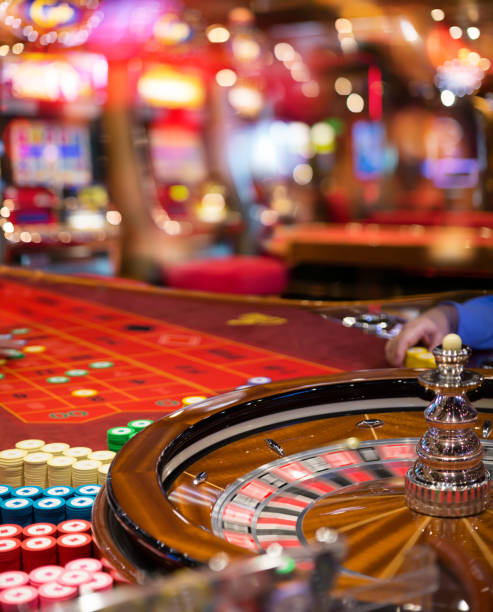
Exploring the Depths of Gambling Psychology
Understanding the psychology behind gambling provides valuable insights into human behavior and decision-making. By exploring the motivations, biases, and social factors that influence risk-taking, we can better appreciate the complexities of the gambler’s mind. Recognizing these patterns can also help individuals develop healthier relationships with gambling and mitigate the potential for harm.
Whether you are a casual gambler or someone who is looking to understand the dynamics of risk more deeply, a grasp of these psychological elements can enhance your awareness and decision-making. The exploration of gambling psychology is not just for gamblers; it is a reflection of broader human tendencies towards risk and reward in various aspects of life. Understanding this intricate psychology can lead to a more informed and responsible approach to gambling and risk-taking.