
The Allure of Casino Games
The excitement of casino games draws players in with their vibrant lights, enticing sounds, and the promise of financial gain. Each element is meticulously designed to stimulate the senses and create an exhilarating experience. This carefully crafted atmosphere taps into the human psychology of reward and urgency, making players feel an adrenaline rush that keeps them engaged and coming back for casino not on gamstop uk more.
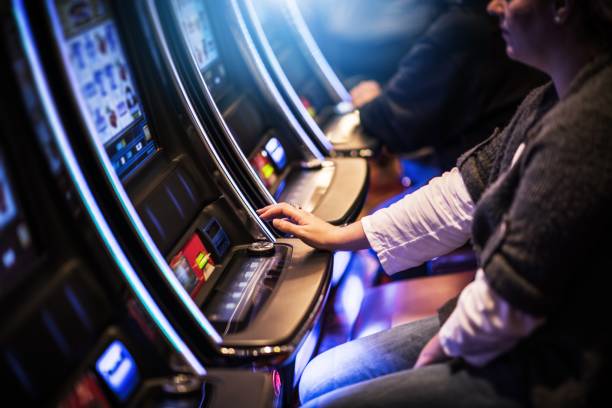
This allure is often amplified by the concept of near misses, where players almost win but fall short. Research indicates that these near misses can enhance the motivation to continue playing, as they trigger a dopamine release similar to winning. Thus, casino games are not merely games of chance but complex psychological experiences that can deeply influence player behavior and decision-making.
Emotional Engagement and Escapism
Casino games serve as a form of escapism for many players, providing a break from the mundane routines of everyday life. The thrill of betting on a hand of blackjack or spinning the roulette wheel offers an emotional release that can be both exciting and therapeutic. This emotional engagement is fundamental to understanding why individuals may choose to spend hours in a casino environment.
Furthermore, casinos often create a sense of community among players, fostering social interactions that heighten the enjoyment of gambling. This social aspect can enhance the overall experience, making it less about the game itself and more about the connections formed, which encourages continued participation and loyalty to specific games or casinos.
The Role of Risk and Reward
The psychology of risk-taking is pivotal in the context of casino games. Players are often attracted to the thrill of potential loss and gain, where the stakes can dramatically shift with every round. This relationship between risk and reward plays into the concept of loss aversion, where the pain of losing is felt more acutely than the joy of winning. As a result, many players may chase losses, further entrenching their behavior in the casino environment.
Understanding this relationship helps explain why some individuals may develop problematic gambling habits. The temporary highs of winning may lead to repeated behaviors that can spiral out of control, reinforcing a cycle of gambling that becomes difficult to break. The importance of responsible gaming and awareness of these psychological triggers cannot be overstated.
Casino Design and Player Behavior
The strategic design of casinos is a significant factor influencing player behavior. Casinos are often laid out to encourage prolonged visits, with no windows or clocks, creating a timeless atmosphere. This design pushes players to lose track of time, contributing to extended gambling sessions, which benefits the casino’s bottom line.
Additionally, the arrangement of games, the placement of high-payout machines, and the integration of comp systems all serve to draw players deeper into the gaming experience. These carefully thought-out strategies leverage psychological principles that maximize player engagement and spending, emphasizing the intricate relationship between environment and behavior in a casino setting.

Conclusion: Navigating the Casino Experience Safely
Understanding the psychology behind casino games and player behavior is essential for both players and casino operators. Awareness of these dynamics can promote healthier attitudes toward gambling and encourage responsible practices. Recognizing the emotional and psychological factors at play can help mitigate the risks associated with gambling and enhance the overall experience.
For those seeking to engage with the world of casinos, knowledge is key. By being informed about the environmental cues, social dynamics, and psychological principles involved, individuals can make safer, and more enjoyable choices in their gambling endeavors, ensuring that the thrill of the game remains a fun and controlled experience.