
Understanding the psychology of risk Why we gamble in casinos
The Allure of Risk Taking
The thrill of risk is a fundamental aspect of human psychology. In casinos, the environment is designed to amplify this feeling, enticing individuals to place bets and engage in games of chance. The combination of uncertainty and the potential for reward creates an exciting atmosphere that captivates many. This allure is deeply rooted in our evolutionary history, where taking risks often led to greater rewards, enhancing survival. For those interested in the world of online gambling, understanding these psychological factors is essential.
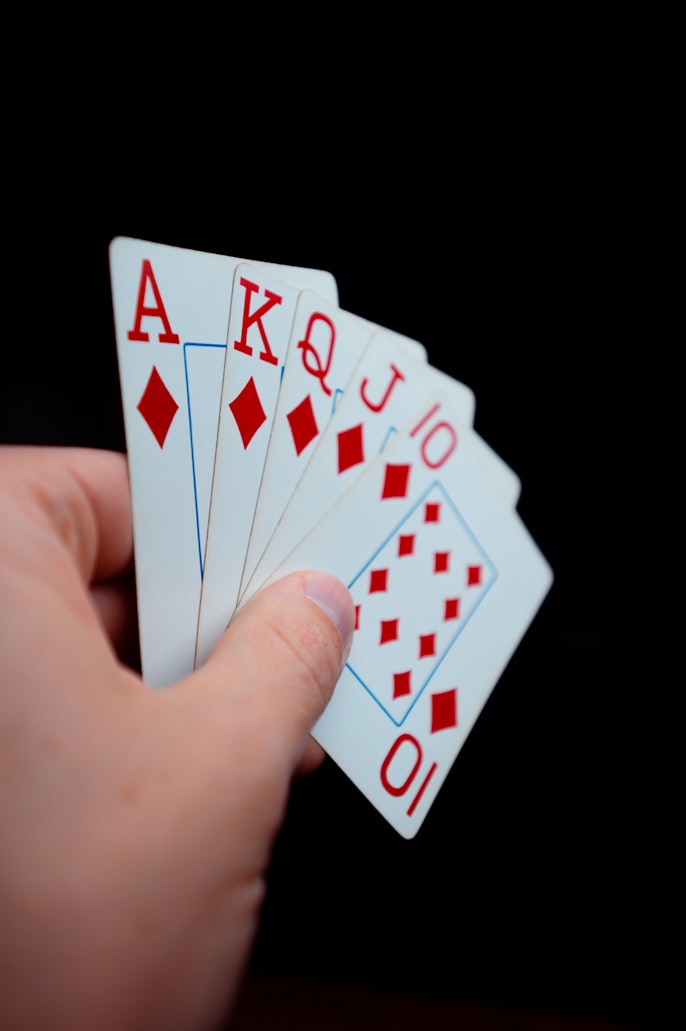
Moreover, gambling activates the brain’s reward system, releasing dopamine when players experience wins, no matter how small. This biochemical response reinforces the behavior, making it more likely for individuals to return to gamble again, chasing that high. The combination of psychological stimulation and the potential for financial gain fuels the ongoing attraction to casinos.
The Role of Cognitive Biases
Cognitive biases significantly influence gambling behavior, shaping how individuals perceive risks and rewards. One common bias is the illusion of control, where gamblers believe they can influence the outcome of games of chance. This misconception leads players to engage more heavily, convinced that their strategies or decisions can alter the odds in their favor.
Additionally, the gambler’s fallacy often plays a role; individuals may believe that past outcomes affect future results. For example, if a player has experienced a losing streak, they might assume that a win is “due.” These biases not only skew perceptions of risk but also encourage repeated gambling, even in the face of losses.
The Social Aspect of Gambling
Gambling in casinos is not merely an individual pursuit; it is often a social activity that involves interaction with others. Many people find camaraderie in shared experiences, whether celebrating a win or empathizing with a loss. This social dimension enhances the thrill of gambling, making it more enjoyable and less isolating.
Moreover, casinos often host events, competitions, and promotions that foster a sense of community among players. This social reinforcement can create a heightened sense of belonging and shared excitement, drawing individuals back even when the financial stakes may not be favorable. The community aspect serves as a powerful motivator, merging social engagement with the psychological draw of risk-taking.
The Impact of Environment on Gambling Behavior
The design and ambiance of casinos play a critical role in shaping gambling behavior. The use of bright lights, sounds of slot machines, and the absence of clocks creates an immersive experience that distracts players from the passage of time and the reality of their spending. This carefully curated environment encourages players to gamble longer and more frequently.
Furthermore, the layout of casinos often leads to continuous play. With games situated closely together, players are more likely to transition from one game to another, driven by the excitement and stimulation of the surroundings. This design effectively heightens the psychological risks involved, encouraging impulsive decisions and further gambling.

Insights and Updates from the Gambling Industry
This website serves as a hub for those interested in the latest insights and updates related to the gambling industry. By offering timely news and analyses, it helps users navigate the complexities of the gambling world, especially for those who may be drawn to the excitement of casinos. Understanding the underlying psychology of risk is vital for making informed decisions.
Additionally, this platform provides valuable information that can aid in developing healthier gambling habits. By shedding light on the psychological triggers and biases associated with gambling, it aims to promote a more informed and responsible approach to the activity. Staying updated with industry trends can empower individuals to engage in gambling in a more mindful manner.